

Your pet may still greet you at the door with the same excitement, but a little gray around the muzzle or a slower start in the morning can be the first hint that the senior years have arrived. Knowing when a dog or cat is considered a senior helps you adjust their care before small changes turn into bigger health problems.
November is Adopt a Senior Pet Month, which makes it a good time to learn more about older pets, whether you are welcoming a senior into your home or caring for a longtime companion.
This guide explains at what age dogs and cats become seniors, the common signs of aging to watch for, and practical ways to keep your older pet comfortable and healthy.
When Is a Dog Considered a Senior?
There is no single age when every dog becomes a senior. Size, breed, and expected lifespan all play a role. A useful general guideline is to consider a dog a senior when they reach the last quarter of their expected lifespan. Your veterinarian can help determine when senior care should begin for your dog.
As a general guide:
- Small dogs (under 20 pounds): around 10 to 12 years old
- Medium dogs (20 to 50 pounds): around 8 to 10 years old
- Large dogs (50 to 90 pounds): around 7 to 8 years old
- Giant breeds (over 90 pounds): as early as 5 to 6 years old
Your veterinarian can help you understand where your dog falls based on breed, size, and overall health.
When Is a Cat Considered a Senior?
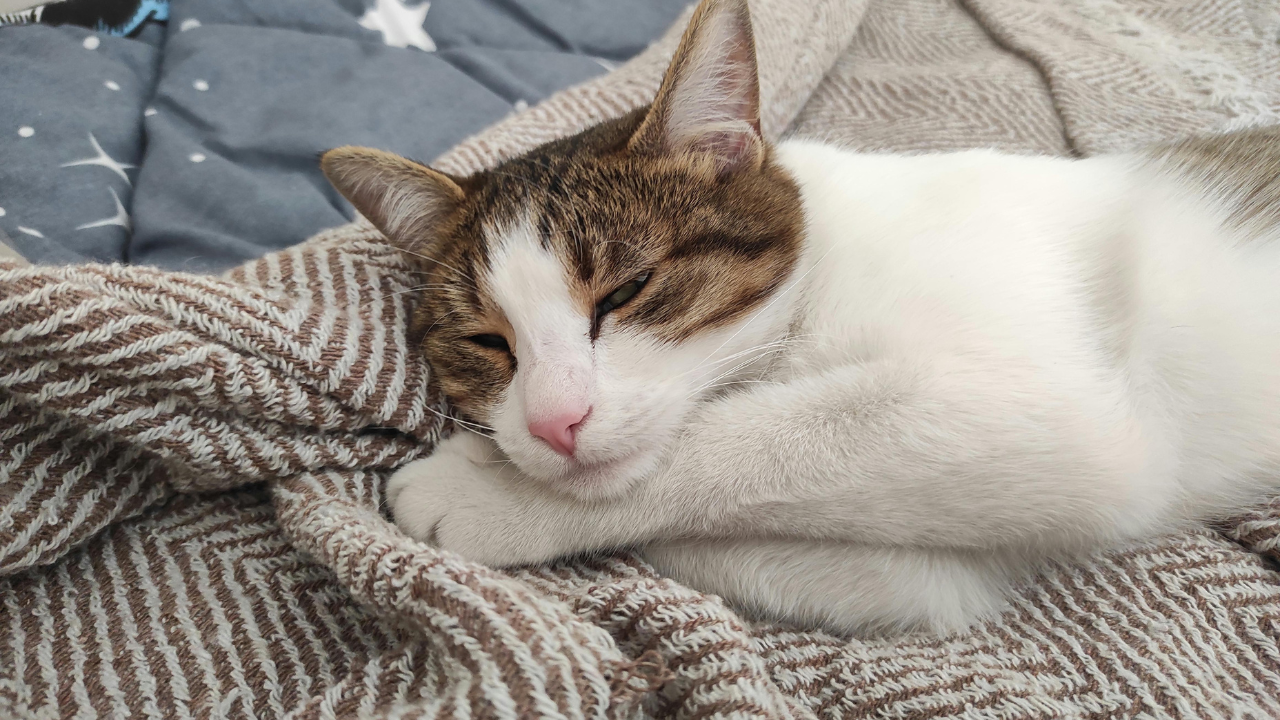
Cats are generally considered seniors at around 10 years of age. The years from 7 to 10 are typically considered the mature-adult stage. Because cats age differently, your veterinarian can help determine when to adjust your cat’s care.
Common Signs of Aging in Dogs and Cats
Every pet ages differently, but these are some of the most common changes pet parents notice.
Physical Signs
- Gray hair around the face and muzzle
- Weight gain or unexplained weight loss
- Stiffness, limping, or trouble with stairs and jumping
- Cloudy eyes or changes in vision
- Reduced hearing
- Bad breath, tartar buildup, or difficulty chewing
- Lumps or bumps on or under the skin
Behavior Changes
- Sleeping more or being less interested in play
- Drinking or urinating more than usual
- Accidents in the house or outside the litter box
- Confusion, restlessness at night, or getting “stuck” in corners
- Increased irritability or less tolerance for handling
Some changes, such as a slower pace or more time spent resting, may become noticeable as pets age. However, increased thirst or urination, unexplained weight loss, new lumps, or changes in mobility can signal an underlying health problem. Contact your veterinarian if you notice these changes rather than assuming they are simply part of getting older.
Not sure if a change in your pet is normal? Call Park Road Animal Hospital at (980) 981-4334 and our team can help.
Common Health Concerns in Senior Pets
Older pets are more likely to develop certain health conditions, including:
- Arthritis and joint pain
- Dental disease
- Kidney disease
- Heart disease
- Diabetes
- Thyroid disorders, especially hyperthyroidism in cats
- Cancer
- Cognitive changes similar to dementia
Many of these conditions develop slowly and show few signs in the early stages. Routine screening allows your veterinary team to catch problems sooner, when there are often more options to manage them.
Senior Pet Care Tips: Keeping Your Older Pet Comfortable
Small adjustments at home can make a big difference in your senior pet’s comfort and quality of life.
1. Schedule Wellness Visits Every Six Months
Many veterinarians recommend exams every six months for senior pets instead of once a year. Learn more about why regular vet checkups are important for your pet.
2. Ask About Senior Screening Tests
Bloodwork and urinalysis can help identify changes in organ function before obvious symptoms develop. Imaging may help your veterinarian investigate structural changes or other concerns. The recommended tests and frequency will depend on your pet’s age, health, and medical history.
3. Keep Your Pet at a Healthy Weight
Extra weight puts added stress on aging joints, the heart, and other organs. Your veterinary team can recommend a diet and portion size suited to your pet’s age and activity level.
4. Keep Them Moving
Gentle, regular exercise such as shorter walks or low-impact play helps maintain muscle and joint health. For cats, interactive toys and easy-to-reach perches encourage activity.
5. Make Home Easier to Navigate
Rugs or mats on slippery floors, ramps or pet stairs, orthopedic bedding, and litter boxes with low sides can help pets with stiff joints move around more comfortably.
6. Do Not Forget Dental Care
Dental disease is common in older pets and can cause pain and affect overall health. Watch for the signs your pet needs a dental cleaning, such as bad breath or trouble eating.
7. Keep Their Minds Active
Puzzle feeders, new toys, short training sessions, and a predictable daily routine help support mental health as pets age.
Senior Wellness Care at Park Road Animal Hospital
At Park Road Animal Hospital, our wellness and preventive care is tailored to your pet’s age, lifestyle, and health history, including the changing needs of the senior years.
To make senior care easier to plan, we offer a Senior Canine Wellness Package and a Senior Feline Wellness Package. Each package includes three exams, senior screening bloodwork (Chem 17, CBC, T4, and urinalysis), and three-view X-rays reviewed by a board-certified radiologist.
As your pet reaches their later years, our team can also talk with you about quality of life and comfort care whenever you are ready.
Frequently Asked Questions About Senior Pets
At what age is a dog considered a senior?
It depends on size. Small dogs are often considered seniors at around 10 to 12 years old, while large and giant breed dogs may reach their senior years as early as 5 to 8 years old.
At what age is a cat considered a senior?
Most cats are considered seniors at around 10 years old, though age-related changes can begin earlier.
How often should a senior pet see the vet?
Many veterinarians recommend a wellness exam every six months for senior dogs and cats, along with regular screening tests.
Is it normal for my senior cat to lose weight?
No. Unexplained weight loss in older cats can be a sign of conditions such as hyperthyroidism, kidney disease, or diabetes, and should be evaluated by a veterinarian.
Give Your Senior Pet the Care They Deserve
Whether your pet is just entering their senior years or has been part of your family for a long time, our team is here to help them feel their best.
Park Road Animal Hospital is located at 5110 Park Rd. Ste 1-K, Charlotte, NC 28209.
Call (980) 981-4334 or request an appointment online to schedule your pet’s senior wellness exam.
Recent Post

The holiday season brings warmth, family gatherings, and plenty of
The holiday season brings warmth, family gatherings, and plenty of