

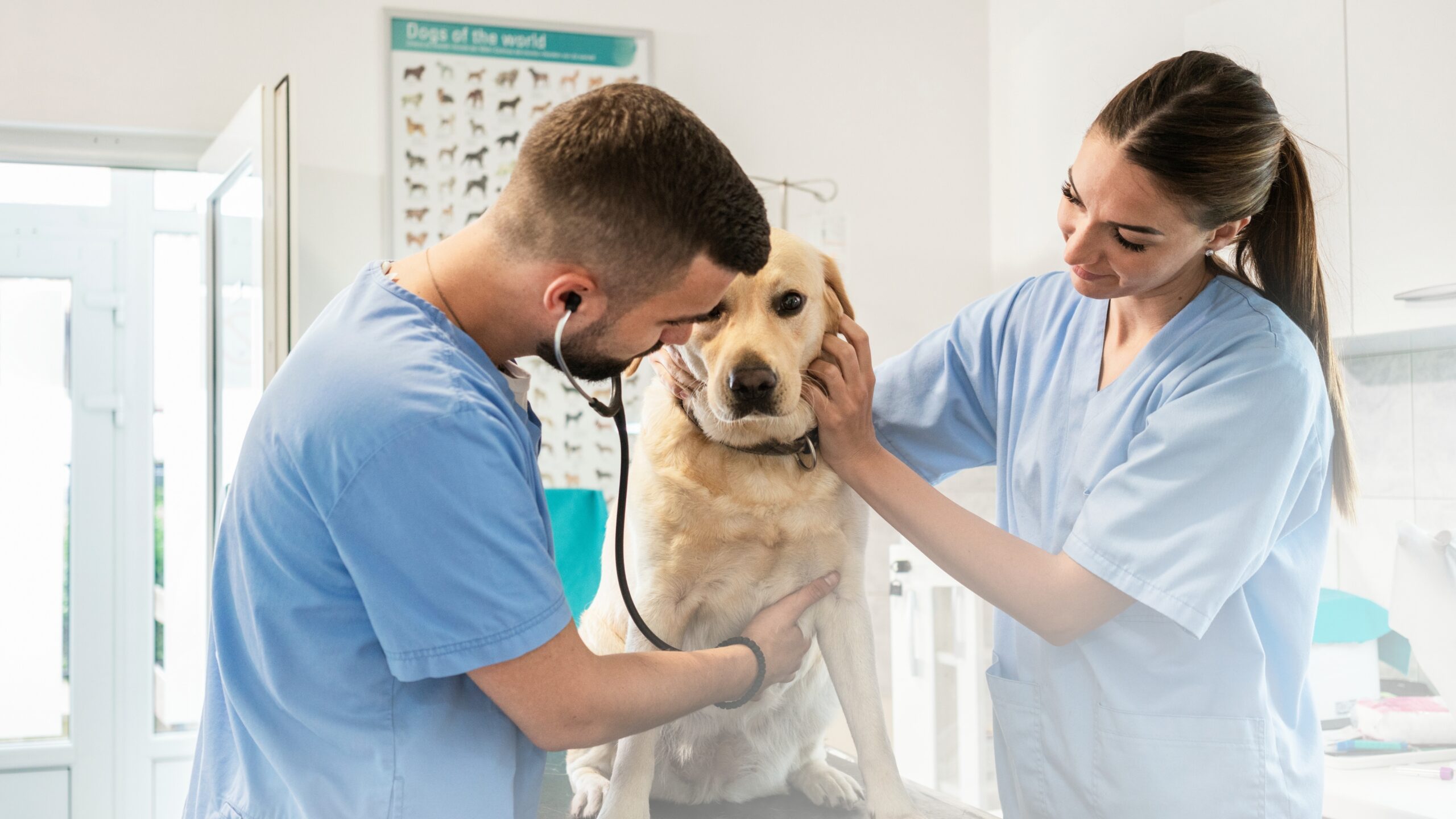
Pets are good at hiding signs of illness. A dog or cat may seem happy, active, and healthy while a developing health concern is still in its early stages. That is one reason regular vet checkups are an important part of keeping your pet healthy throughout every stage of life.
Routine veterinary visits give your veterinarian an opportunity to monitor your pet’s overall health, identify subtle changes, and recommend preventive care based on their age, lifestyle, breed, and health history.
Whether you have a new puppy, a growing kitten, an adult pet, or a senior companion, routine veterinary care can help you stay ahead of potential health problems and support a better quality of life.
What Are Regular Vet Checkups?
Regular vet checkups, often called wellness exams, are routine visits designed to evaluate your pet’s overall health even when they do not appear sick.
During a wellness visit, your veterinarian performs a thorough physical examination and looks for changes that may not be obvious at home. Depending on your pet’s individual needs, the visit may include an evaluation of:
- Weight and body condition
- Heart and lungs
- Joints and muscles
- Teeth and gums
- Eyes and ears
- Skin and coat
- Abdomen and other physical areas
These examinations provide a baseline for your pet’s health and allow your veterinarian to monitor changes over time.
Why Are Regular Vet Checkups Important?
1. They Can Help Detect Health Problems Early
One of the biggest benefits of pet wellness exams is early health awareness.
Some conditions may develop gradually without obvious symptoms. A routine examination can help your veterinarian identify subtle changes and determine whether additional screening or monitoring may be appropriate.
Finding potential concerns earlier can give pet owners more opportunities to discuss treatment and management options with their veterinarian.
2. Preventive Care Can Be Personalized to Your Pet
Not every pet has the same healthcare needs. A young indoor cat may have different risks and needs than an active senior dog.
Preventive care for dogs and cats can be tailored according to factors such as:
- Age
- Breed
- Lifestyle
- Environment
- Activity level
- Health history
- Individual risk factors
Your veterinarian can use this information to create a preventive care plan that fits your pet rather than relying on a one-size-fits-all approach.
3. Wellness Visits Help Monitor Weight and Nutrition
Your pet’s weight can have a significant impact on their long-term health.
During a wellness exam, your veterinarian can evaluate your pet’s weight and body condition and provide recommendations for nutrition, feeding, and exercise when appropriate.
Maintaining a healthy weight may support mobility, energy, and overall wellness as your pet gets older.
4. They Support Dental Health
Dental problems can develop gradually, and pets do not always show obvious signs of oral discomfort.
A routine wellness examination includes an assessment of your pet’s dental health. Your veterinarian can identify concerns and discuss appropriate dental care based on your pet’s needs.
Regular attention to oral health can be an important part of a complete preventive care plan.
5. They Help Protect Pets From Common Parasites
Fleas, ticks, and intestinal worms can affect pets and may pose health concerns if left unmanaged.
As part of routine veterinary care, your veterinarian can discuss parasite prevention strategies based on your pet’s lifestyle, environment, and local risks.
A pet that spends most of its time indoors may have different preventive needs than a pet that regularly spends time outside.
What Happens During a Pet Wellness Exam?
A wellness visit is more than simply checking whether your pet has a fever or appears sick.
At Park Road Animal Hospital, a comprehensive wellness examination may include a head-to-tail assessment of your pet’s condition and comfort.
Your veterinarian may evaluate:
- Weight and body condition
- Joints and muscles
- Heart and lungs
- Dental health
- Eyes and ears
- Skin and coat
- Abdomen
The visit is also an opportunity to talk about your pet’s health and daily habits.
Depending on your pet’s needs, your veterinarian may discuss vaccination schedules, nutrition, exercise, dental care, parasite prevention, behavioral concerns, and age-specific health considerations.
Preventive Care Changes as Your Pet Ages
Your pet’s healthcare needs can change throughout their life.
Puppies and Kittens
Young pets are developing rapidly and may require guidance on vaccinations, nutrition, parasite prevention, behavior, and healthy growth.
Adult Dogs and Cats
For adult pets, wellness visits can help maintain good health while monitoring changes in weight, dental health, mobility, and other areas.
Senior Pets
As pets age, they may become more susceptible to certain health concerns. Regular examinations can help your veterinarian monitor changes in mobility, weight, behavior, and overall condition and determine whether additional screening may be appropriate.
How Often Should Pets Have Vet Checkups?
How often your pet needs a wellness exam depends on their age, health, lifestyle, and individual risk factors.
Some pets may benefit from more frequent monitoring, particularly if they are very young, senior, or have an existing health concern. Your veterinarian can recommend an appropriate schedule based on your pet’s specific needs.
If you are unsure when your pet’s next wellness exam is due, contacting your veterinary team is a good place to start.
Building a Long-Term Preventive Care Plan
Good pet healthcare is not only about treating problems when they appear. Pet preventive care focuses on maintaining health and identifying potential concerns before they become more serious.
A comprehensive preventive care plan may include:
- Routine wellness examinations
- Vaccination recommendations
- Parasite prevention
- Nutrition and weight management
- Dental care
- Exercise guidance
- Behavioral health considerations
- Age-appropriate health monitoring
Working with your veterinarian regularly allows these recommendations to evolve as your pet’s needs change.
Schedule Your Pet’s Wellness Exam in Charlotte, NC
Your pet cannot tell you when something feels different, which makes regular veterinary care an important part of protecting their health.
If your dog or cat is due for a wellness visit, Park Road Animal Hospital can help you develop a preventive care plan based on your pet’s age, lifestyle, health history, and individual needs.
Located in Charlotte, NC 28209, Park Road Animal Hospital provides wellness and preventive veterinary care for dogs and cats in Park Road, SouthPark, Montford, Myers Park, Freedom Park, Colonial Village, and nearby Charlotte communities.