

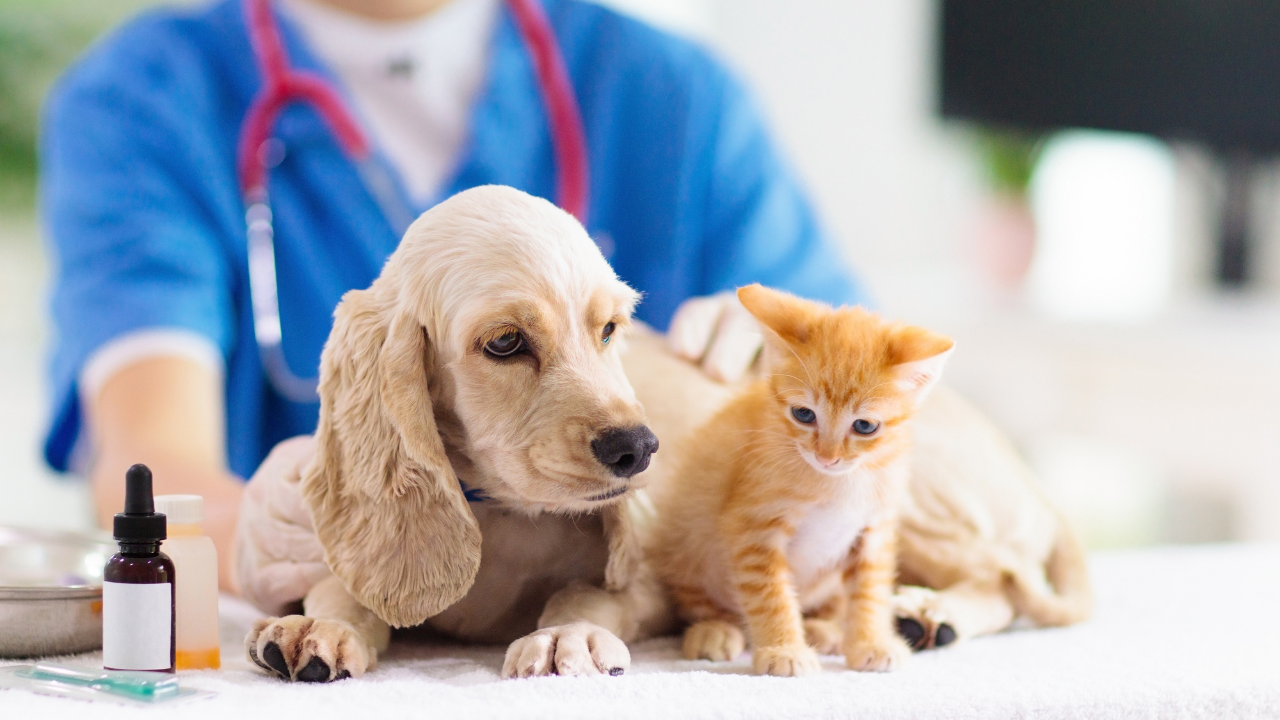
Bringing home a new puppy or kitten is exciting. One of the first things new pet parents need to plan for is vaccinations that protect their new companion from preventable diseases.
Vaccines help prepare your pet’s immune system to fight serious and potentially life-threatening diseases before they cause harm.
But which vaccines does your pet need, when should they receive them, and are they the same for dogs and cats? Here is what pet parents should know.
When Should Puppies and Kittens Get Their Vaccines?
Puppies and kittens begin vaccinations while they are still young because the protection from their mother’s antibodies gradually decreases as they grow.
For puppies, the initial series commonly begins around 6 – 8 weeks of age, with additional doses every 2 – 4 weeks until they are older than 16 weeks.
Kittens follow a similar series during their first months of life. Because every pet is different, your veterinarian should confirm the right schedule based on your pet’s health, history, and lifestyle. Missing or delaying doses can leave a young pet vulnerable while their protection is still developing, so keep a record of their vaccines.
Dog Vaccination Schedule by Age
| Puppy Age | Core Vaccines Commonly Given | May Also Be Recommended |
|---|---|---|
| 6 – 8 weeks | First combination vaccine (distemper, adenovirus, parvovirus, parainfluenza) | Bordetella, based on exposure risk |
| 10 – 12 weeks | Second combination vaccine dose | Leptospirosis, Bordetella, canine influenza |
| 14 – 16+ weeks | Final dose of the puppy core vaccine series | Rabies, required in North Carolina by 4 months, and Lyme disease |
| Around 1 year | Booster of the combination vaccine and rabies | Non-core boosters based on lifestyle |
| Adult years | Ongoing boosters on the interval your veterinarian recommends | Non-core vaccines by lifestyle and travel |
Kitten Vaccination Schedule by Age
| Kitten Age | Core Vaccines Commonly Given | May Also Be Recommended |
|---|---|---|
| 6 – 8 weeks | First FVRCP combination (panleukopenia, herpesvirus, calicivirus) | Feline leukemia virus, based on risk |
| 10 – 12 weeks | Second FVRCP dose | Feline leukemia virus follow-up dose |
| 14 – 16 weeks | Final FVRCP dose | Rabies, required in North Carolina by 4 months |
| Around 1 year | FVRCP and rabies boosters | Feline leukemia virus booster for at-risk cats |
| Adult years | Ongoing boosters on the interval your veterinarian recommends | Vaccines based on indoor or outdoor lifestyle |
These ages are general guidelines. Your veterinarian may recommend a different plan depending on your pet’s health and exposure risks.
Not sure where your pet falls on this schedule? Call Park Road Animal Hospital at (980) 981-4334 and our team will map out the next visit.
Which Vaccines Do Puppies Need?
Puppies are vulnerable to infectious diseases while their immune systems develop, so their core vaccines protect against several serious diseases.
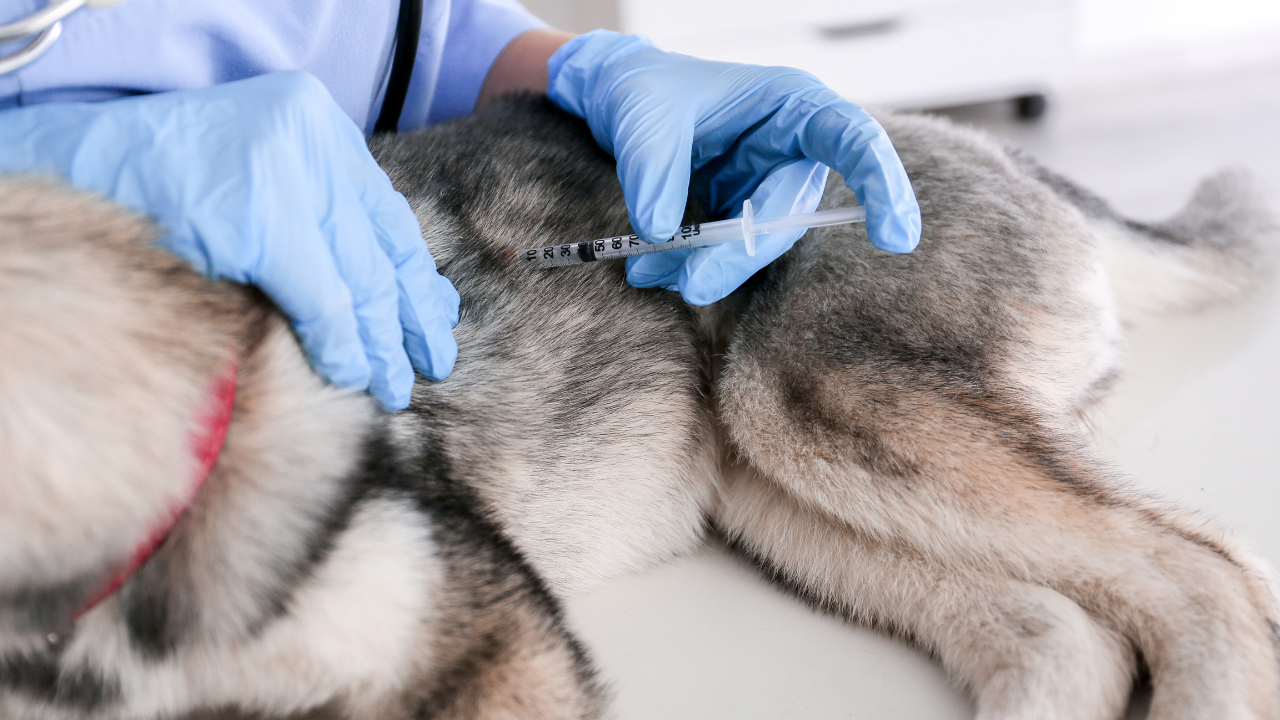
The Combination Vaccine: Distemper, Adenovirus, Parvovirus, and Parainfluenza
Puppies receive these four protections together in one combination vaccine across the puppy series.
Canine distemper is a highly contagious viral disease that can affect the respiratory, gastrointestinal, and nervous systems. Canine adenovirus can cause infectious canine hepatitis. Parvovirus is highly contagious and can cause severe vomiting, diarrhea, and dehydration, and puppies are especially vulnerable to it. Canine parainfluenza contributes to infectious respiratory disease in dogs.
Protection against all four is considered part of a puppy’s core vaccination series.
Leptospirosis
Leptospirosis is a bacterial infection that affects dogs and can spread to people. Dogs may be exposed through contaminated water, soil, or wildlife, so your veterinarian can advise whether this vaccine fits your dog.
Rabies
Rabies affects the nervous system and can infect both animals and humans. Vaccination is especially important because the disease is nearly always fatal once clinical signs develop. North Carolina requires dogs, cats, and ferrets to be vaccinated against rabies by 4 months of age.
What Vaccines Do Kittens Need?
A typical kitten vaccination schedule differs from a puppy’s.
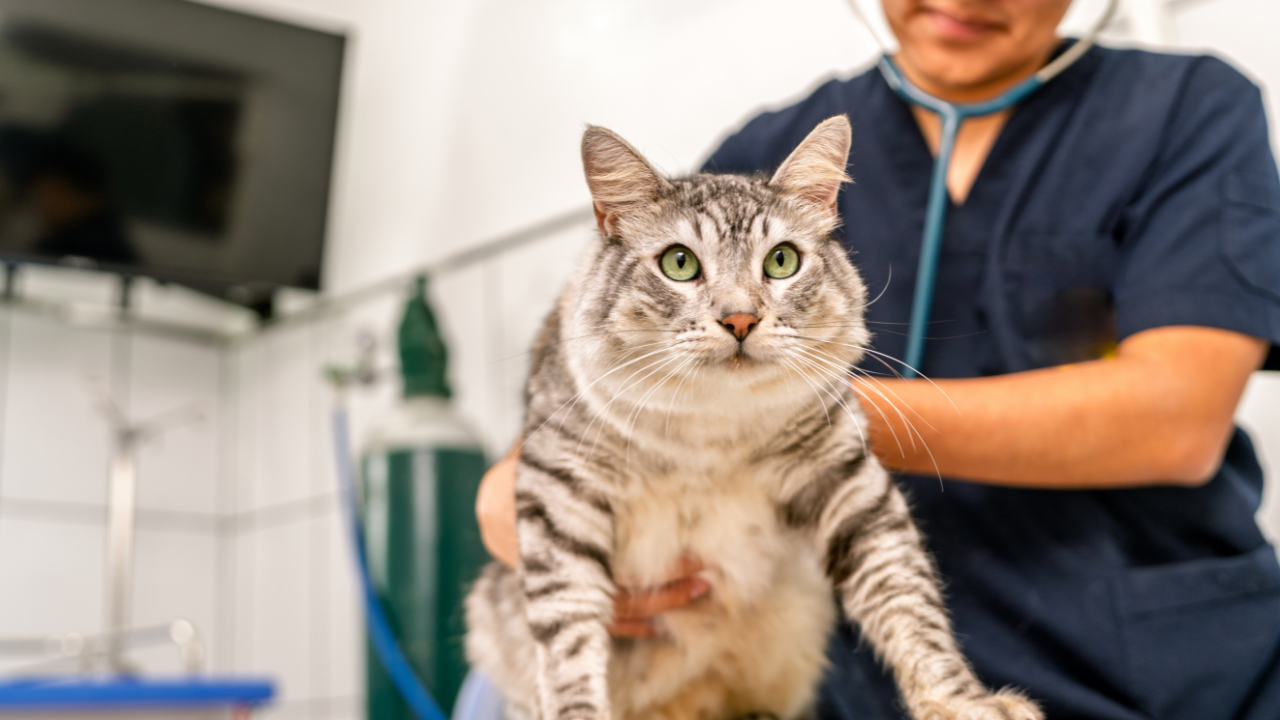
FVRCP: Panleukopenia, Herpesvirus, and Calicivirus
Feline panleukopenia is a highly contagious viral disease that can cause severe gastrointestinal illness in young kittens. Feline herpesvirus and feline calicivirus are common causes of feline upper respiratory and oral disease, and vaccination can help reduce the severity of illness.
Feline Leukemia Virus
Feline leukemia virus, or FeLV, can cause serious illness and spreads through close contact with infected cats.
Whether this vaccine is appropriate depends on the kitten’s age, lifestyle, and risk of exposure.
Core vs. Non-Core Vaccines for Dogs
You may also hear your veterinarian talk about core vs non-core vaccines for dogs. Core vaccines are recommended for nearly all dogs because they protect against diseases with significant health risks, while non-core vaccines are recommended based on lifestyle, location, and exposure risk.
Some non-core vaccines may include protection against:
Bordetella
Canine influenza
Lyme disease
Non-core does not mean unimportant. A dog that often visits boarding or daycare has different needs from a dog that rarely meets other animals.
Your veterinarian can help determine which vaccines make sense for your pet. You can learn more about our approach on our pet vaccines in Charlotte page.
Rabies Vaccine Requirements for Dogs in North Carolina
If you live in Charlotte, rabies vaccination is not something to overlook. North Carolina requires dogs, cats, and ferrets to be vaccinated against rabies by 4 months of age and kept current afterward.
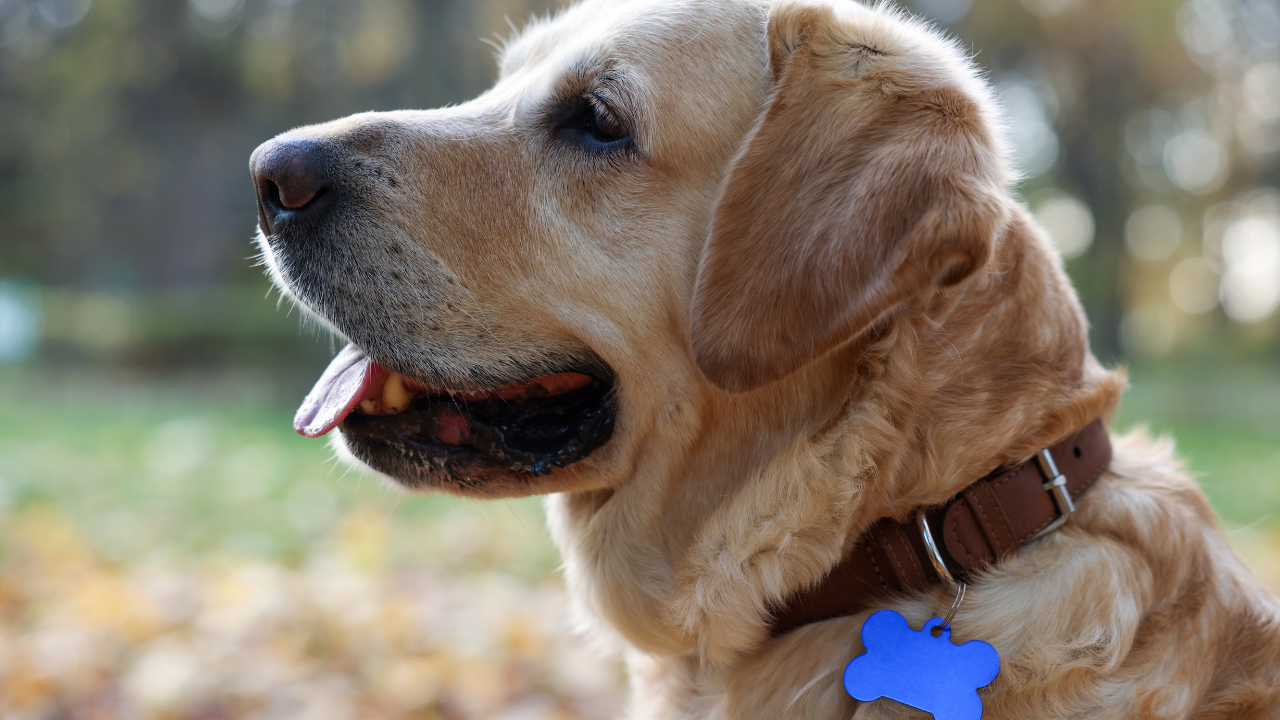
After the vaccine is given, your pet receives a rabies certificate and tag. Keep the certificate somewhere you can find it, because Mecklenburg County Animal Care and Control, boarding facilities, groomers, and training classes may all ask for proof of current vaccination. The tag on your pet’s collar also identifies them as vaccinated if they are ever picked up as a stray.
Rabies can spread between animals and people, so keeping your pet current protects your household and your community. If you are unsure, contact your veterinarian.
What Happens After Your Pet Gets Vaccinated?
Most pets handle vaccinations well, although some may have mild and temporary effects. After their shots, your dog or cat may be:
Slightly tired
Sore around the injection site
Less interested in food for a short time
Mildly warm or feverish
If your pet develops a severe reaction, such as facial swelling, repeated vomiting, or difficulty breathing, contact your veterinarian promptly. Our urgent care team can evaluate sudden reactions the same day when the schedule allows.
Vaccinations Are Part of a Bigger Preventive Care Plan
Vaccines are only one part of keeping your new pet healthy. Wellness examinations let your veterinarian monitor growth, weight, dental health, and nutrition, and are the right time to discuss parasite prevention. You can see what is included in our wellness and preventive care services.
Our puppy and kitten packages bundle several of these early visits together.
Together, vaccinations and routine care give your puppy or kitten a healthy start.
Frequently Asked Questions About Pet Vaccinations in Charlotte, NC
Q: At what age should a puppy start vaccinations?
Most puppies begin their vaccine series around 6 to 8 weeks of age, with additional doses every 2 to 4 weeks until they are older than 16 weeks.
Q: How much do puppy vaccinations cost in Charlotte, NC?
Cost depends on which vaccines are recommended and how many doses remain. Our puppy and kitten packages combine several early visits, and our team can review current pricing over the phone.
Q: Is the rabies vaccine required in North Carolina?
Yes. North Carolina requires dogs, cats, and ferrets to be vaccinated against rabies by 4 months of age and to stay current afterward.
Q: Do indoor cats need vaccines?
Yes. Indoor cats still need core vaccines and rabies vaccination. Whether the feline leukemia virus vaccine is appropriate depends on their exposure risk.
Q: What happens if my puppy misses a vaccine dose?
Contact your veterinarian. Depending on how much time has passed, the series may resume, or an additional dose may be recommended.
Q: Can my puppy go to the dog park before the series is finished?
Limit exposure to unfamiliar dogs and shared outdoor spaces until your veterinarian confirms the series is complete, because protection is still developing.
Schedule Your Pet’s Vaccinations in Charlotte, NC
The first walks, park trips, and new friends all come with some exposure to other animals, and vaccinating on time is one of the simplest ways to protect your pet. If your puppy or kitten is due for vaccines, Park Road Animal Hospital can build a vaccination and preventive care plan for them.
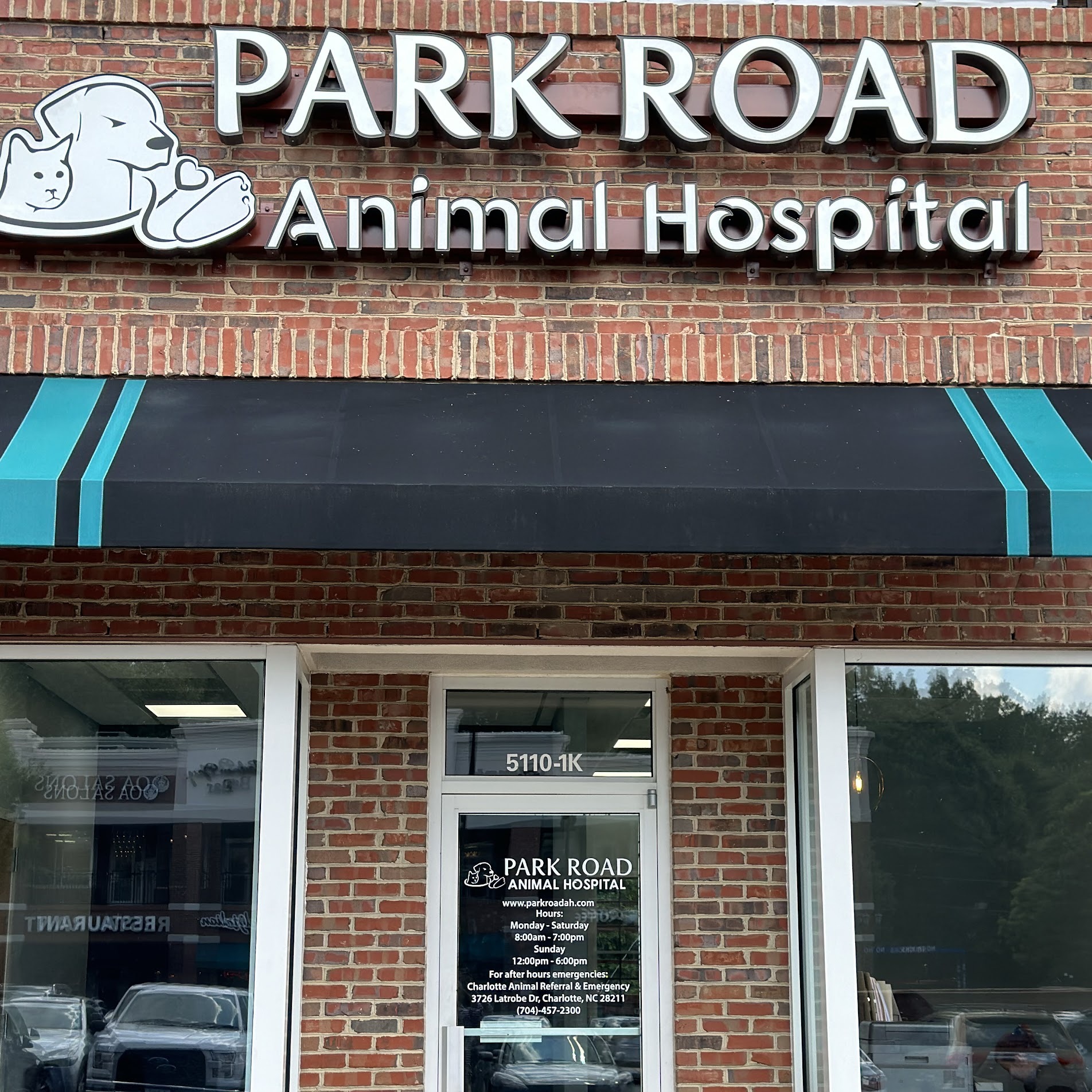
Park Road Animal Hospital provides pet vaccinations in Charlotte, NC 28209, including families in Park Road, Myers Park, and Montford.
Do not wait until your pet is exposed to a preventable disease. Call Park Road Animal Hospital at (980) 981-4334 or request an appointment online to schedule your puppy or kitten’s vaccination visit.