
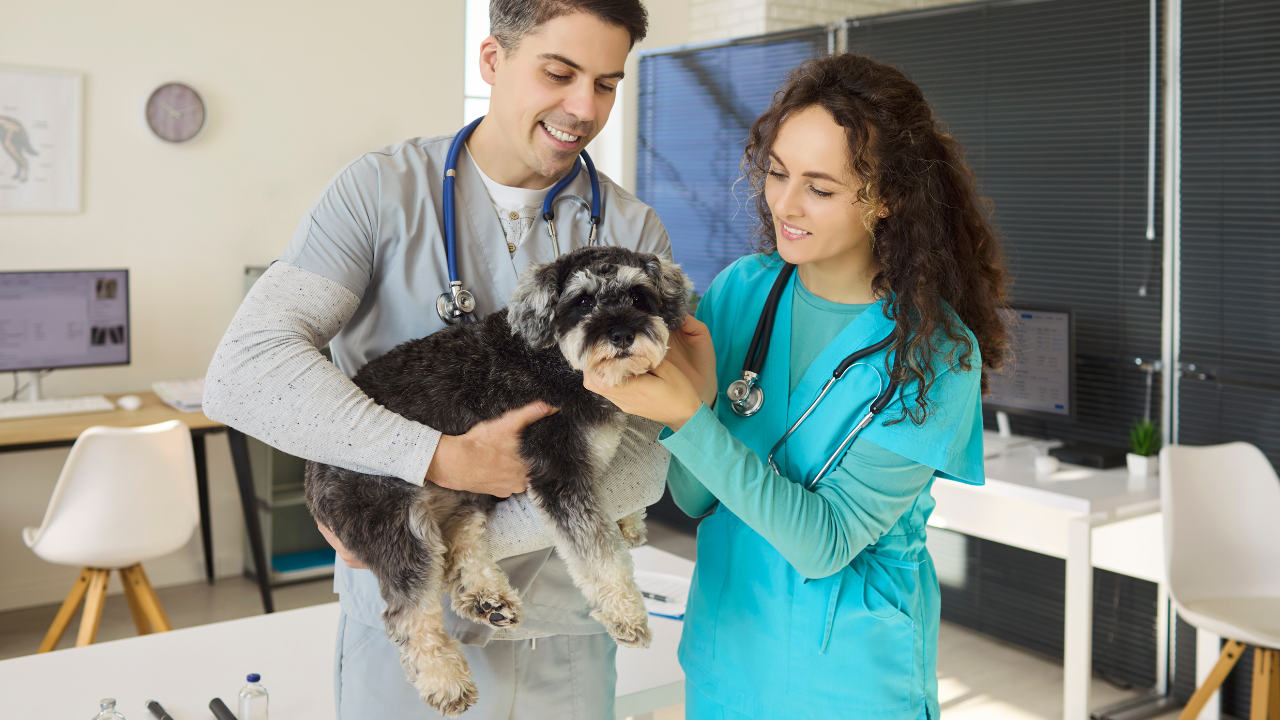
Deciding when to spay or neuter your dog or cat is an important part of their preventive care. The right timing can vary depending on your pet’s species, breed, size, health, and lifestyle.
This guide explains the differences between spaying and neutering, factors that can affect timing, what to expect during surgery, and how to support your pet’s recovery at home.
Spay vs. Neuter: What Is the Difference?
What Is a Spay?
A spay is a surgical procedure performed on female dogs and cats to remove the reproductive organs.
What Is a Neuter?
A neuter, also called castration, is a surgical procedure performed on male dogs and cats to remove the testicles.
What Are the Benefits of Spaying and Neutering?
Beyond preventing unplanned litters, spaying and neutering can offer real health and behavioral benefits.
Benefits of Spaying
Spaying can:
- Prevent pregnancy and unwanted litters
- Eliminate future heat cycles
- Eliminate the risk of pyometra, a potentially serious uterine infection
- Reduce the risk of certain mammary tumors when performed at an appropriate age
Benefits of Neutering
Neutering can:
- Prevent your pet from fathering litters
- Eliminate the risk of testicular cancer
- Reduce some hormone-driven behaviors, such as roaming and urine marking
When Should You Spay or Neuter Your Dog or Cat?
There is no single age that is right for every pet. The best timing depends on species, breed, size, health, and lifestyle.
When Should You Spay or Neuter a Dog?
The best time to spay or neuter a dog depends on factors such as breed, expected adult size, sex, health, and lifestyle. Some smaller dogs may be ready around six months of age, while timing for larger and giant-breed dogs may be individualized and sometimes delayed. Your veterinarian can help determine the most appropriate timing for your dog.
If you are unsure when to spay a dog, a wellness exam is a good time to discuss the right timing.
When Should You Spay or Neuter a Cat?
Many veterinarians consider around five months of age the best age to neuter a cat or spay a kitten. Cats mature quickly, so plan the procedure before the first heat cycle.
If you are wondering when to neuter a cat, our team can evaluate your kitten’s growth and recommend the right time.
Bringing home a new puppy or kitten? Park Road Animal Hospital also offers puppy and kitten packages that include preventive care and, in the Deluxe packages, 10% off spay or neuter.
What Affects the Cost of Spay and Neuter Surgery?
The cost of spaying or neutering a pet can vary depending on several factors, including:
- Your pet’s age and size
- Your pet’s overall health
- Anesthesia and monitoring
- Pain management
When comparing quotes, ask what is included in the price, such as the exam, anesthesia, monitoring, and pain medication, not just the surgery itself.
Park Road Animal Hospital runs spay and neuter offers that change each month, so check our monthly specials page for the latest pricing and available dates.
What Happens During Spay or Neuter Surgery?
1. Pre-Surgical Examination
Before anesthesia, your pet receives a physical examination. Pre-surgical testing may also be recommended.
2. Anesthesia and Monitoring
During surgery, our team monitors your pet’s vital signs and anesthesia levels in a clean, controlled surgical environment.
3. Pain Management
Your veterinary team will create a pain-control plan based on your pet and procedure.
Never give human pain medications unless your veterinarian specifically instructs you to.
4. Going Home
Most routine spay and neuter patients can go home the same day once they are awake and appropriately recovered from anesthesia.
You will receive clear home-care instructions, including incision care and warning signs to watch for.
For more information about Park Road’s surgical process, visit our spay and neuter services page.
Spay and Neuter Recovery: What to Expect at Home
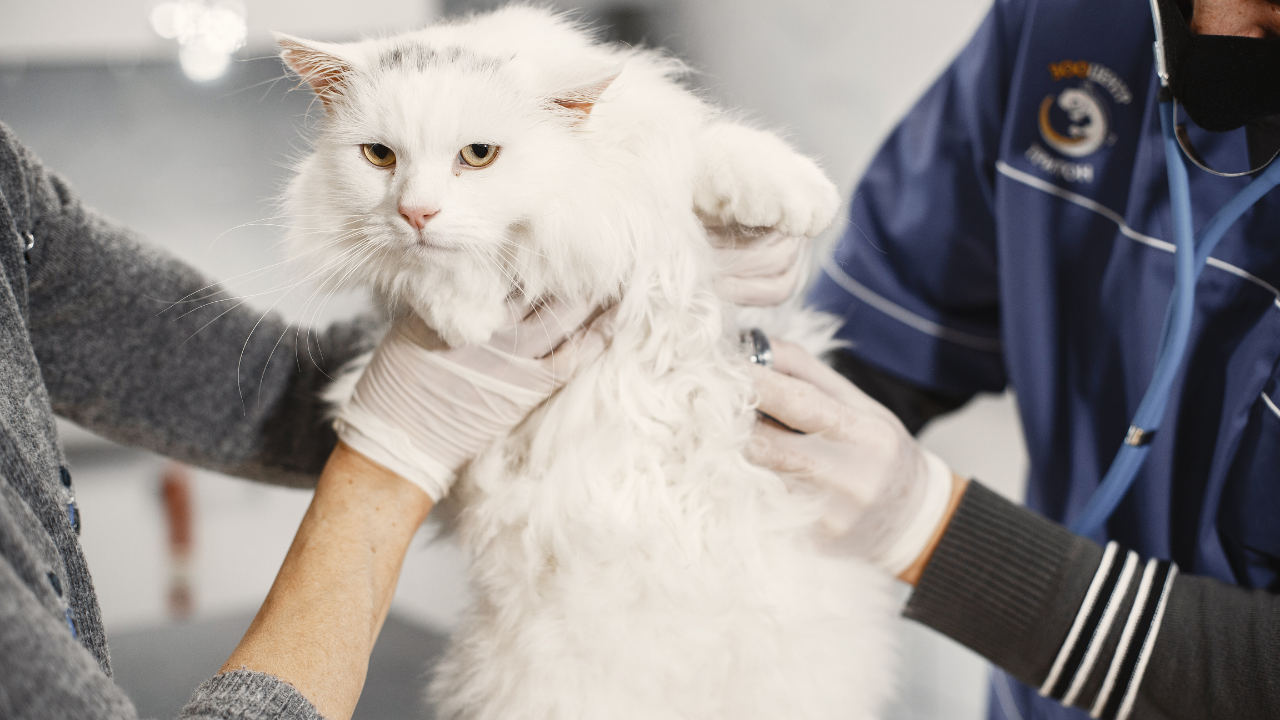
After spay surgery or neuter surgery, most routine patients need restricted activity for approximately 10 to 14 days while the incision heals.
During the First 24 Hours
It is common for pets to be sleepy or groggy after anesthesia. Some pets may also have a temporarily reduced appetite.
During the Next 10 to 14 Days
To protect the incision:
- Keep your pet calm and restrict running, jumping, and rough play
- Use a cone or recovery suit as directed to prevent licking or chewing
- Keep the surgical incision clean and dry
- Check the incision regularly for changes
- Give prescribed medications exactly as directed
- Avoid bathing or swimming until your veterinarian says it is safe
When Should You Call Your Veterinarian?
Contact your veterinary team if you notice:
- Heavy or persistent bleeding
- An incision that opens
- Significant or worsening swelling
- Discharge or an unusual odor from the incision
- Repeated vomiting
- Severe or worsening lethargy
If you are unsure whether something is normal during recovery, call us at (980) 981-4334.
Is Spay and Neuter Surgery Safe?
Spay and neuter procedures are among the most common surgeries in veterinary medicine, but any procedure involving anesthesia carries some risk.
Possible complications can include anesthetic reactions, bleeding, infection, swelling, or problems caused by excessive activity or licking the incision.
Spay and Neuter at Park Road Animal Hospital
If you are unsure when to spay or neuter your pet, Park Road Animal Hospital can help you evaluate the appropriate timing based on your pet’s age, breed, size, health, and individual needs. Our team can also explain what to expect before, during, and after surgery.
Learn more about our spay and neuter services in Charlotte.
Frequently Asked Questions About Spay and Neuter
Will spaying or neutering change my pet’s personality?
Spaying and neutering do not change your pet’s basic personality. However, some hormone-driven behaviors, such as roaming or urine marking, may decrease after sterilization.
Will my pet gain weight after being spayed or neutered?
Some pets may need fewer calories after sterilization. Portion control, an appropriate diet, and regular activity can help your pet maintain a healthy weight.
Can a dog be spayed while she is in heat?
Sometimes, but surgery during heat carries added risk, so many veterinarians prefer to wait. Discuss the timing with your veterinary team.
How should I prepare my pet for spay or neuter surgery?
Follow the fasting instructions your veterinary team provides, since food is usually withheld for several hours before anesthesia. Share any medications or recent health changes, and set up a quiet recovery space with a cone or recovery suit ready before your pet comes home.
Talk to Our Team About Timing
If you are not sure when to spay or neuter your dog or cat, our team can help you plan the right timing and care for your pet.
Park Road Animal Hospital is located at 5110 Park Rd. Ste 1-K, Charlotte, NC 28209.
Call (980) 981-4334 or request an appointment online to schedule a consultation.
Recent Post
The holiday season brings warmth, family gatherings, and plenty of